
Why Are Graphic Tees Expensive: A Breakdown
Table of Contents
- What Makes Graphic Tees Different From Plain T-Shirts
- The Real Cost Behind Graphic Tee Printing Methods
- Graphic Tee Quality: Fabric, Fit, and Construction
- Why Small-Batch Graphic Tees Cost More
- Design, Licensing, and Artist Compensation
- Are Expensive T-Shirts Worth It: Making the Case
- Price Tiers and What You're Actually Paying For
- Frequently Asked Questions
Last Updated: October 16, 2026
What Makes Graphic Tees Different From Plain T-Shirts
A graphic tee is fundamentally different from a plain T-shirt because it combines a base garment with intentional artwork, messaging, or design that serves as the primary visual statement, which is partly why graphic tees expensive compared to plain alternatives. The graphic tee isn't just clothing, it's a vehicle for self-expression, cultural commentary, or brand affiliation. At Five Foot Fury Co., we design graphic tees that blend thoughtful artwork with everyday comfort, recognizing that what separates a graphic tee from a plain shirt is the story it tells and the identity it projects.
The distinction goes beyond aesthetics. Plain T-shirts are mass-produced commodities where price competition drives down cost and often quality. Graphic tees, by contrast, require additional production steps: design creation, artwork approval, specialized printing processes, and quality control specific to the print itself. This complexity adds layers of cost that don't exist in plain shirt manufacturing.
A graphic tee also carries cultural weight. Whether it's a band tee, a pop culture reference, a limited-edition artist collaboration, or a statement piece reflecting personal interests and passions, the design transforms a basic garment into something with meaning. That intentionality, the curation, the artistic vision, the limited availability, justifies a higher price point than a blank shirt would command.
The Real Cost Behind Graphic Tee Printing Methods
The printing method you choose determines not just the immediate cost, but the durability, texture, and longevity of the graphic tee. Understanding these methods is essential to understanding why graphic tees expensive can vary so dramatically, sometimes by 2-3x for what appears to be the same shirt.
Screen Printing vs. Direct-to-Garment vs. Vinyl
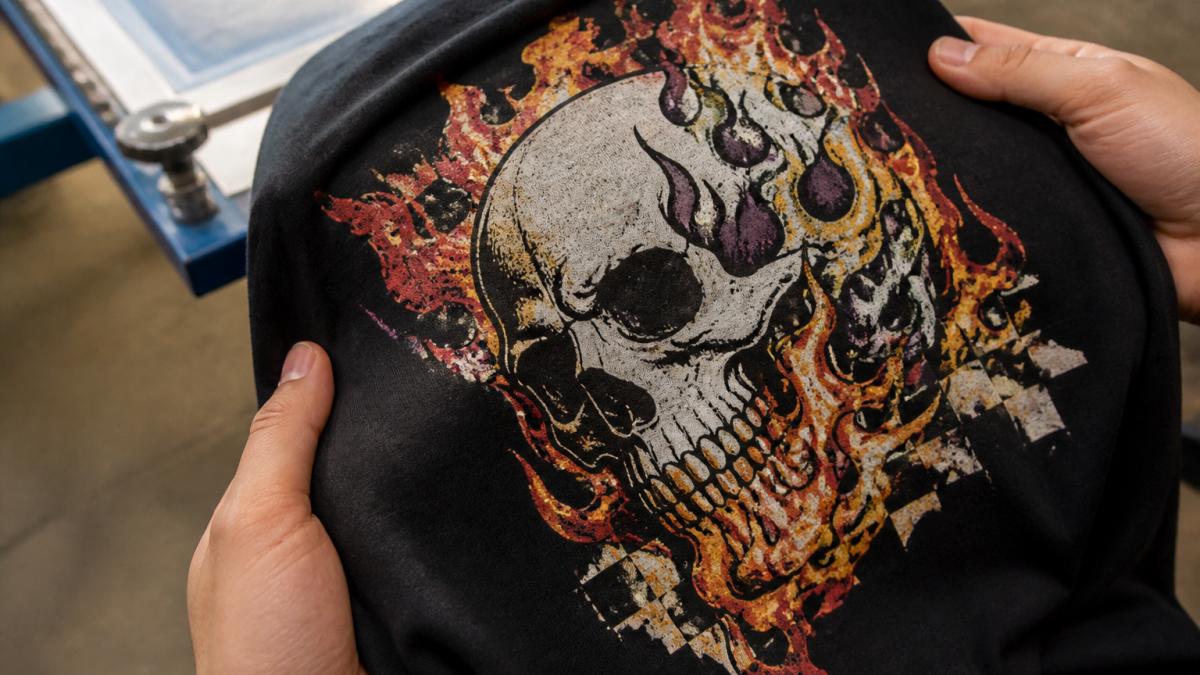
Direct-to-garment (DTG) printing is newer technology that works like a large-format inkjet printer. The design is printed directly onto the shirt using specialized inks. DTG excels at photo-quality prints and unlimited color options without additional setup costs. The trade-off is higher per-unit cost, especially at low volumes. DTG is ideal for small-batch production and print-on-demand models because there's no minimum order requirement. This is why small-batch graphic tees and limited-run designs often cost more, the production method itself is more expensive per shirt, but it enables the small quantities that make limited editions possible.
Print Durability and Long-Term Value
A cheap graphic tee often fails because the print degrades. DTG prints can fade if the inks aren't high-quality or if the shirt fabric is low-quality.
Print durability directly affects the cost-per-wear calculation. A graphic tee that lasts 50 washes before the print deteriorates costs more per wear than you initially paid. A graphic tee that maintains its print quality for 100+ washes justifies a higher upfront price because you're actually getting more value from it.
High-quality DTG printing uses pre-treatment processes and specialized inks that bond better with fabric fibers. The investment in these processes is reflected in the final price, but the durability makes the graphic tee worth it over time.
Graphic Tee Quality: Fabric, Fit, and Construction
The base garment matters as much as the print. A cheap graphic tee printed on low-quality fabric will disappoint regardless of how beautiful the design is. Quality starts with the fabric itself.
Ring-spun cotton is softer and more durable than standard cotton. It's processed in a way that aligns fibers better, creating a stronger yarn that resists pilling and maintains its shape through repeated washing. Our Elizabeth Taylor Bootleg Tees use 100% ring-spun cotton, which provides that lightweight comfort while maintaining durability across many wears and washes. Standard cotton, by comparison, pills more easily and can feel rough or thin after a few washes.

The construction of the shirt, stitching, seams, collar reinforcement, determines how well the garment holds up. Cheap graphic tees often have thin, loose stitching that unravels after a few washes. Quality construction means reinforced seams, double-stitched hems, and ribbed knit collars that retain their elasticity and shape. This attention to construction is labor-intensive and adds cost, but it's what separates a graphic tee you'll wear for years from one that deteriorates in months.
Fit also plays a role in perceived value. Unisex cuts can be tricky, they need to work across different body types without being too loose or too fitted. Small-batch brands often invest in fit testing and pattern development to ensure their unisex designs actually work for a broad audience. This development cost is factored into the final price.
Why Small-Batch Graphic Tees Cost More
Small-batch production is inherently more expensive per unit than mass production. When a factory produces 10,000 identical shirts, the cost per shirt drops because the setup, labor, and material costs are spread across a large volume. When you produce 500 shirts in a limited run, those same fixed costs are concentrated into fewer units.
Small-batch graphic tees also prioritize design quality and originality. Instead of relying on generic templates or licensed designs from major studios, small-batch brands often commission original artwork or work with independent artists. That commissioned artwork has a cost, the artist is paid for their work, and that cost is built into the garment price.
Limited availability itself has value. A graphic tee design that's available in only 500 units carries more cultural weight than one produced in 50,000 units. Consumers recognize this scarcity and are willing to pay more for something exclusive. This isn't just marketing, it's economic reality. Scarcity creates demand, and demand justifies higher pricing.
Small-batch production also allows for experimentation with materials and printing methods. A small brand might test a new fabric blend or try a printing technique that wouldn't be economically viable at mass scale. This experimentation drives innovation and often results in higher-quality products, even if they cost more.
Design, Licensing, and Artist Compensation
Original artwork carries a cost that generic designs don't. When a graphic tee features commissioned art, the artist is compensated for their creative work. This isn't a trivial expense, professional artists charge thousands of dollars for original designs, and that cost is reflected in the final garment price.
Licensed designs introduce another cost layer. If a graphic tee features a band logo, movie character, or other intellectual property, the brand must pay licensing fees to the rights holder. These fees can be substantial, especially for popular franchises or well-known artists. A graphic tee featuring a major pop culture reference costs more partly because of those licensing payments.
Elizabeth Taylor Bootleg Tee →
Limited-run designs amplify these costs. If you're producing 500 units of a design, the licensing fee or artist commission is spread across 500 shirts, making the per-unit cost higher than if you produced 5,000 units. This is why limited-edition graphic tees with exclusive artwork command premium prices, the economics of small-batch production combined with original or licensed artwork creates a higher cost structure.
Artists and creators deserve compensation for their work. When you buy a graphic tee from a brand that properly credits and pays artists, you're supporting creative labor. This is a value proposition that justifies higher pricing compared to brands that use cheap, generic designs or unlicensed artwork.
Are Expensive T-Shirts Worth It: Making the Case
The question isn't whether expensive graphic tees are worth it in absolute terms, it's whether they're worth it to you based on your priorities and use case.
If you wear a graphic tee frequently and expect it to maintain its appearance and fit through dozens of washes, a higher-quality option is worth the investment. The cost-per-wear calculation shifts dramatically when durability extends the life of the garment. A graphic tee that costs twice as much but lasts twice as long has the same cost-per-wear as the cheaper option, but with better comfort, better appearance, and better alignment with your values if you care about supporting small businesses or fair artist compensation.
If you value self-expression and individuality, small-batch graphic tees with original artwork offer something mass-produced alternatives can't: authenticity and exclusivity. Wearing a graphic tee from a limited run means you're wearing something fewer people own, something that reflects your actual taste rather than a design engineered for maximum mass appeal.
If you care about production practices, material quality, and artist compensation, the higher price of small-batch graphic tees reflects genuine value. You're paying for ethical production, quality materials, original design, and fair compensation for creative work.
The counterargument is straightforward: if you treat graphic tees as disposable fashion or only wear them occasionally, a cheaper option might be rational. But most people who buy graphic tees do so because they value the design and want to wear the shirt regularly. For that use case, quality justifies cost.
Price Tiers and What You're Actually Paying For
Graphic tee pricing typically falls into distinct tiers, each reflecting different production methods, materials, and design approaches.
Budget graphic tees range from affordable prices upward. These typically use standard cotton, basic printing methods, and generic or mass-licensed designs. The appeal is accessibility, you can own a graphic tee without significant financial commitment. The trade-off is durability and originality. These shirts often pill, fade, and deteriorate faster. The designs are often familiar or generic, lacking distinctive personality.
Mid-range graphic tees represent the sweet spot for many consumers. They use quality cotton blends or ring-spun cotton, professional printing methods with attention to durability, and often feature licensed designs from recognizable brands or artists. Our Elizabeth Taylor Bootleg Tees fall into this category, they use 100% ring-spun cotton, feature original artwork with cultural resonance, and are priced at $17.58 while maintaining quality standards.
Premium graphic tees use the highest-quality materials, limited-run or exclusive designs, and often feature collaborations with known artists or designers. These command higher prices because every element, from fabric to printing to artwork, is optimized for quality and exclusivity. You're paying for scarcity, artistic collaboration, and the assurance that the garment will maintain its appearance and comfort for years.
| Price Tier | Typical Price Range | Materials | Design | Production | Best For |
|---|---|---|---|---|---|
| Budget | Low entry point | Standard cotton | Generic/mass-licensed | Mass production | Casual wear, disposable fashion |
| Mid-Range | Moderate | Ring-spun cotton, blends | Original/curated licensed | Small-batch, DTG | Regular wear, personal expression |
| Premium | Higher investment | High-quality cotton, specialty blends | Exclusive/artist collaboration | Limited-run | Collectors, frequent wearers |
The pricing reflects genuine differences in production cost, material quality, and design exclusivity. Understanding what you're paying for in each tier helps you make decisions aligned with your actual needs and values.
Graphic tees are expensive because they're designed garments, not commodity blanks. Quality materials, specialized printing methods, original artwork, and small-batch production all add cost, but they also add value in durability, uniqueness, and the satisfaction of wearing something that reflects your identity.
Frequently Asked Questions
Do printing methods affect the cost of graphic tees?
Yes, significantly. Direct-to-garment printing has lower minimums but higher per-shirt costs. Each method impacts both the final price and how long the print lasts through washing and wear.
Are small-batch graphic tees more expensive to make?
They are. Small-batch production skips the economies of scale that mass production offers. Setup fees, design customization, and print-on-demand processes spread costs across fewer shirts. Limited-run designs also command higher prices because they're exclusive and often feature original artwork rather than mass-market designs.
How can you tell if a graphic tee is good quality?
Check the fabric weight and material, ring-spun cotton or quality blends hold up better than cheap cotton. Inspect the print for cracks or peeling; quality prints stay intact through multiple washes. Look at seams and collar construction; reinforced ribbed collars and double-stitched seams indicate durability. Read care instructions; quality tees often specify cold water and low-heat drying to preserve both fabric and print.
Does the quality of a graphic tee justify its price?
If you wear it regularly, yes. A quality graphic tee with durable printing, comfortable fabric, and thoughtful design lasts years and maintains its appearance. Cost per wear drops significantly over time. Cheaper tees fade, shrink, or develop holes within months, making them more expensive in the long run. Investing in quality also supports ethical production and fair artist compensation.